
Last updated November 17, 2026
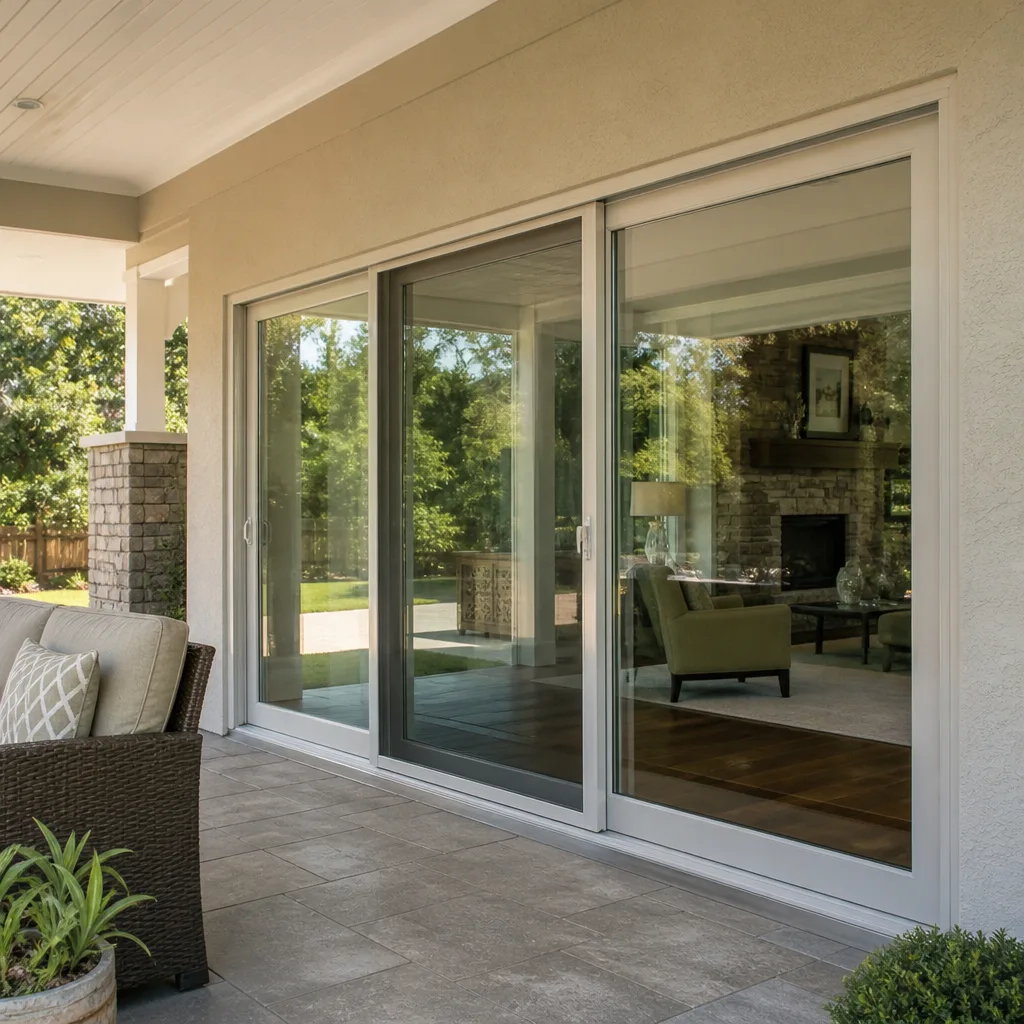 Sliding glass doors
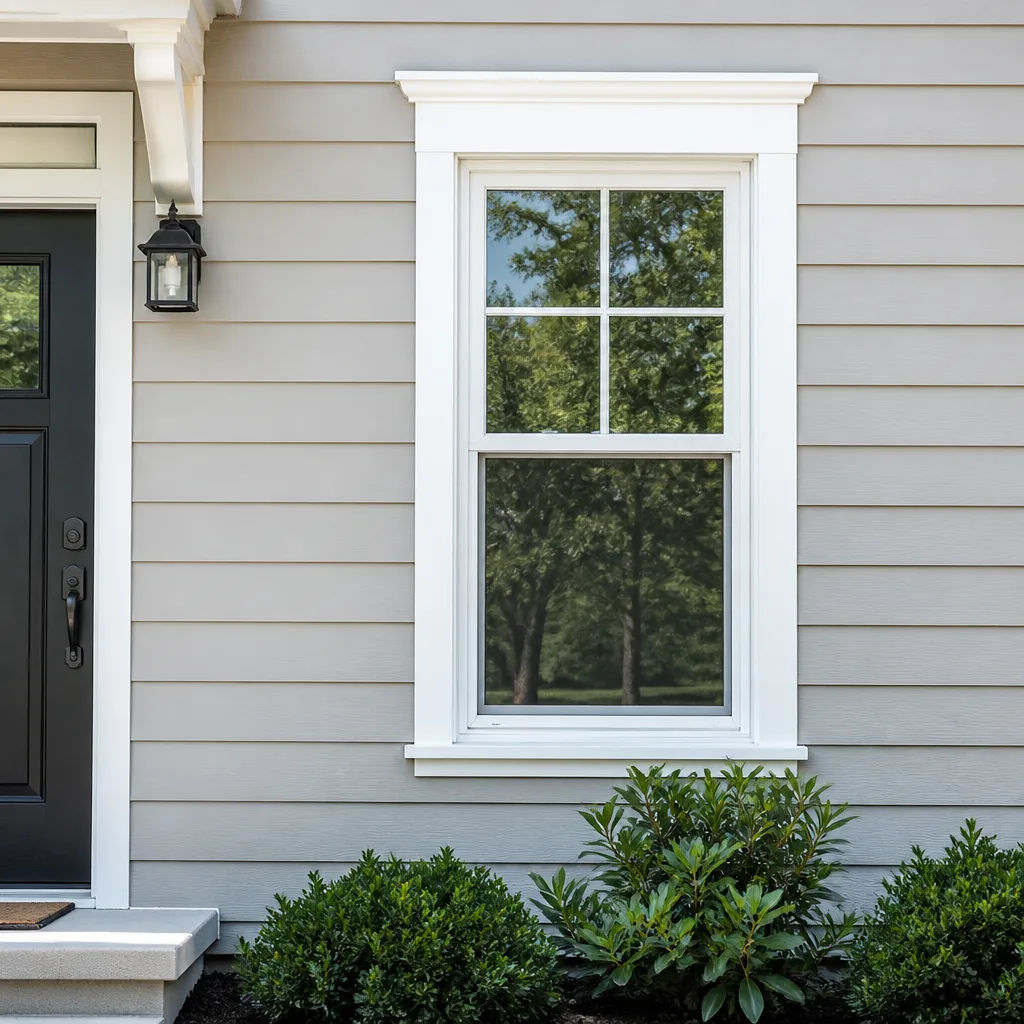 Single hung
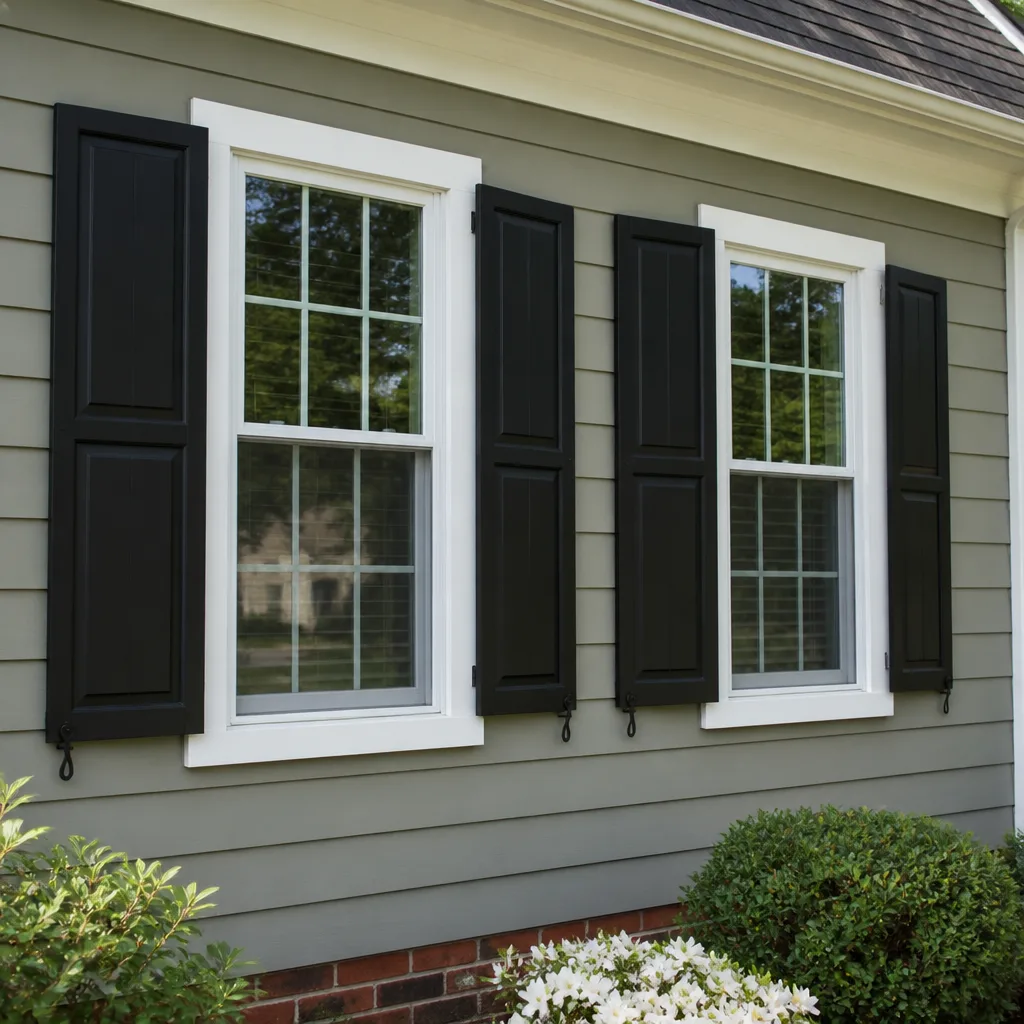 Double hung
 Horizontal roller
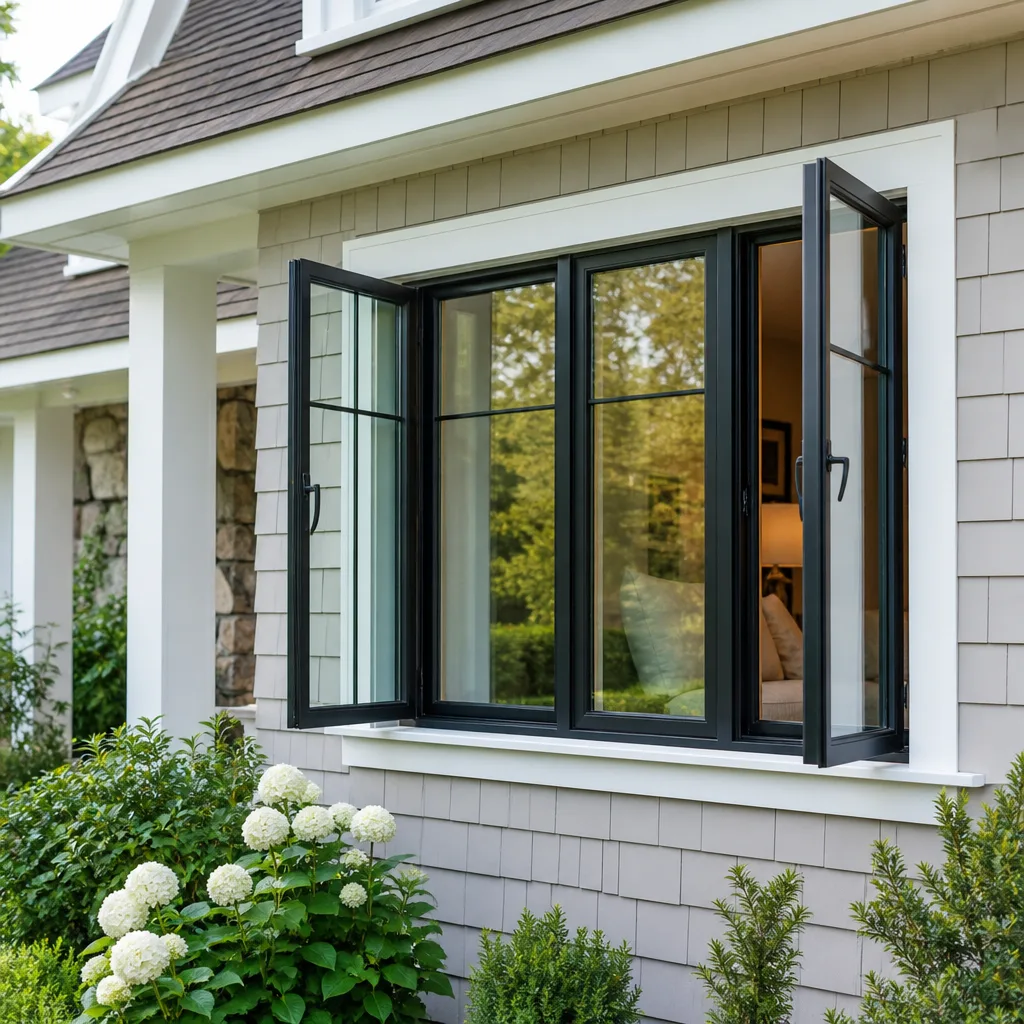 Casement
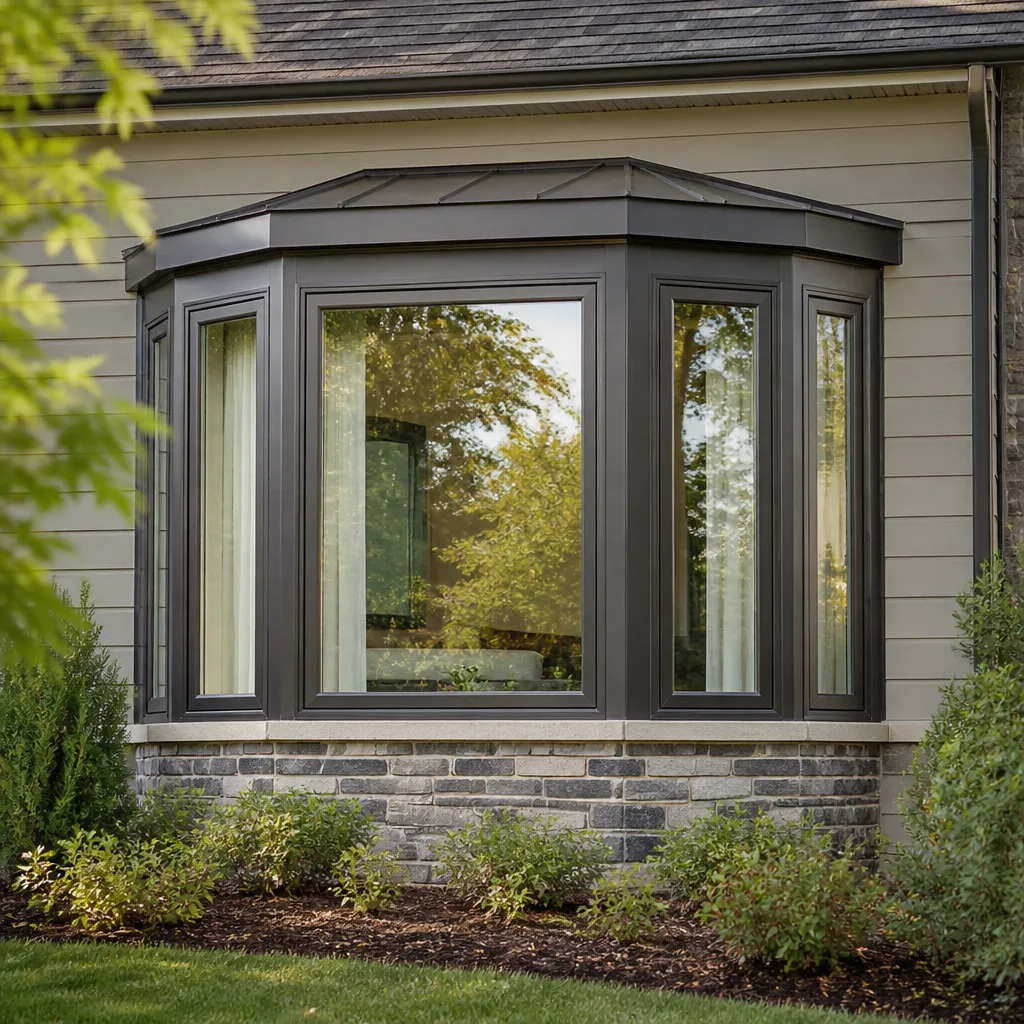 Bay & bow
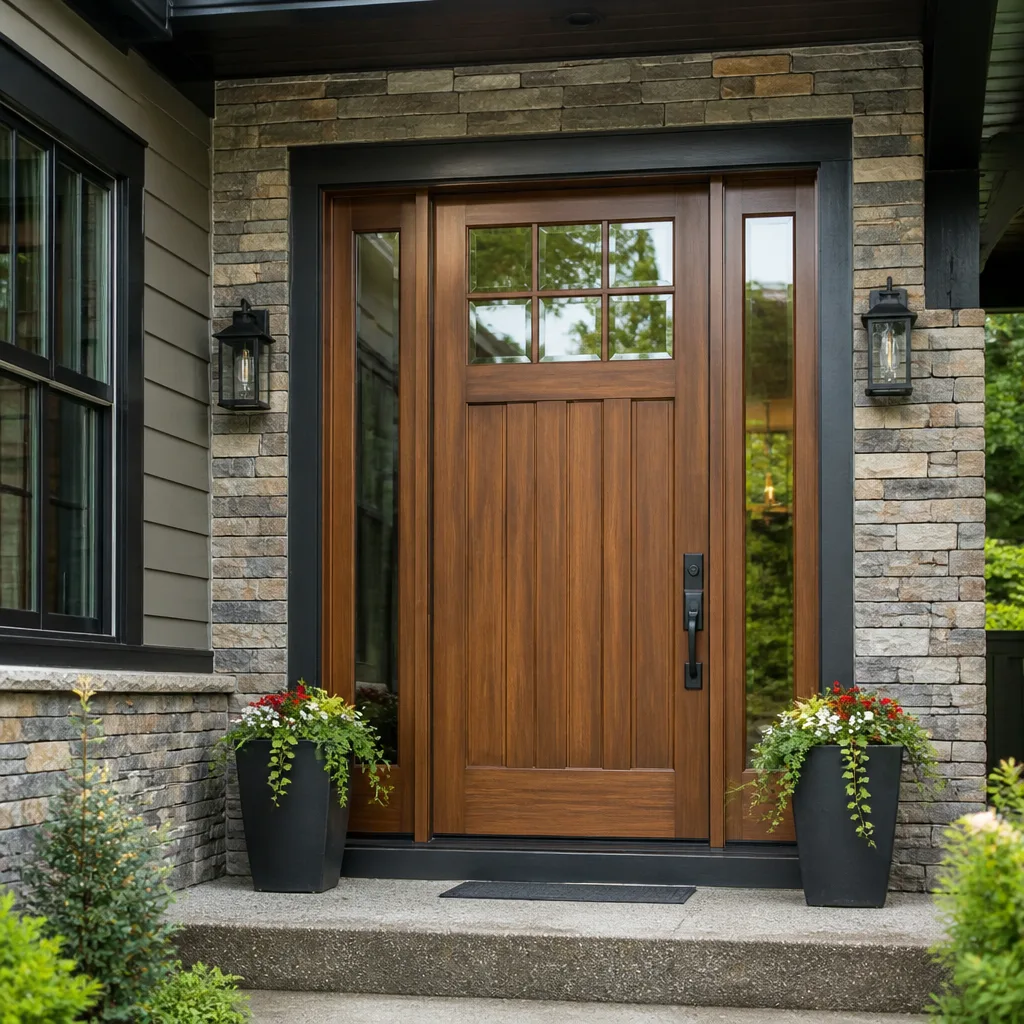 Entry doors
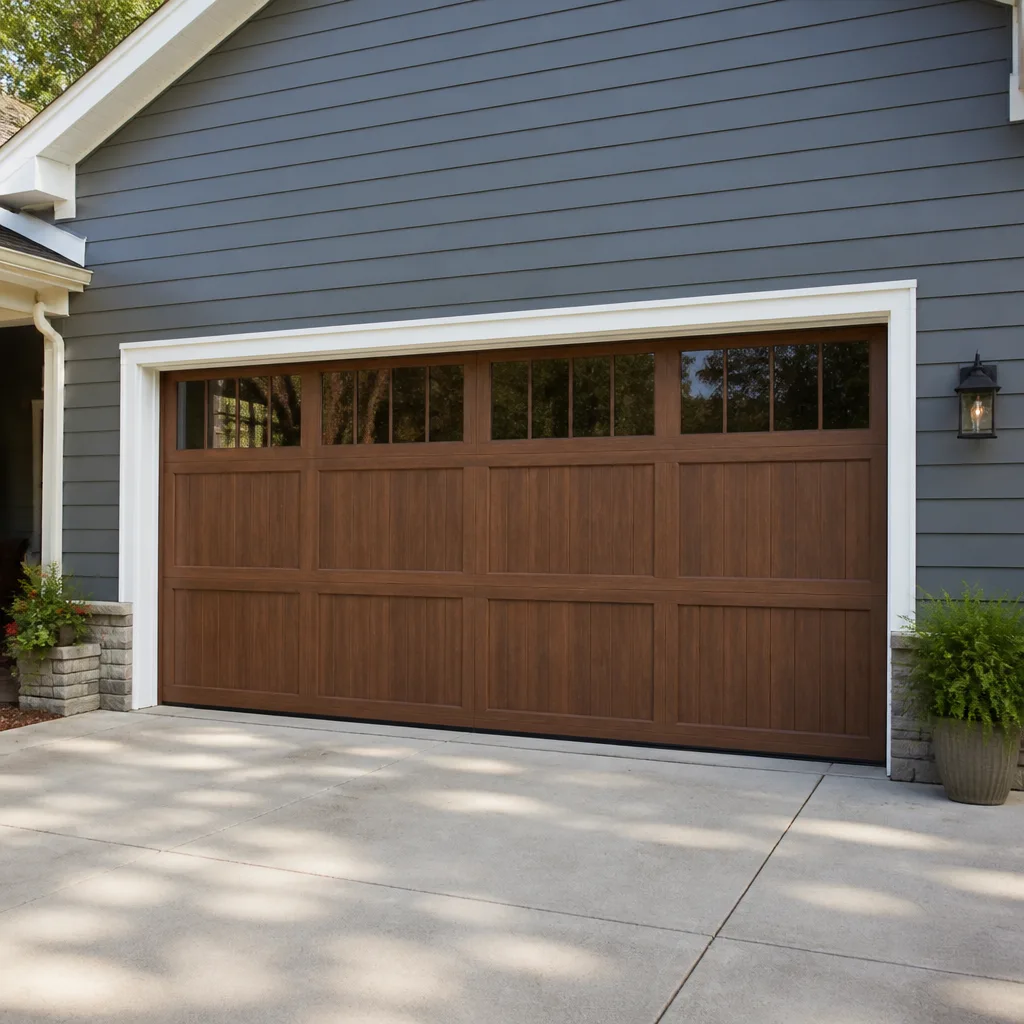 Impact garage doors
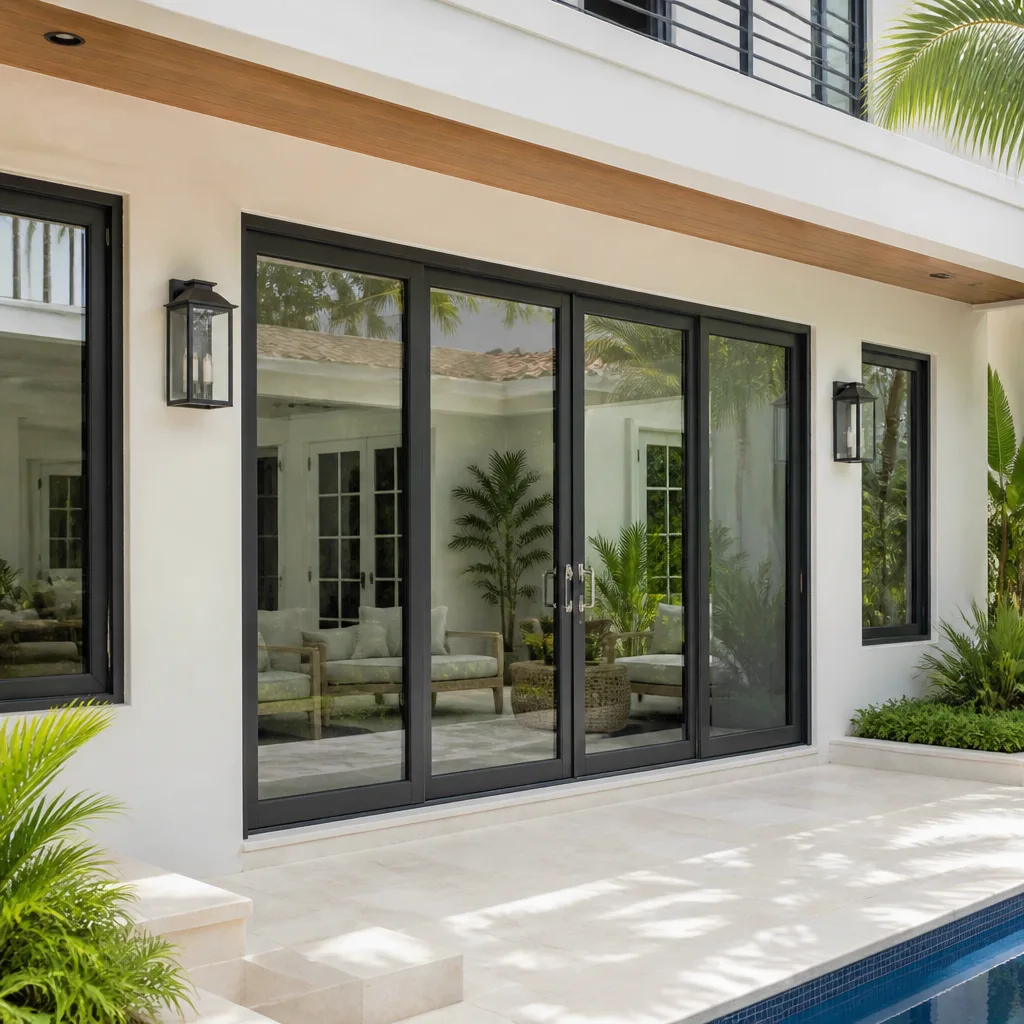 PGT
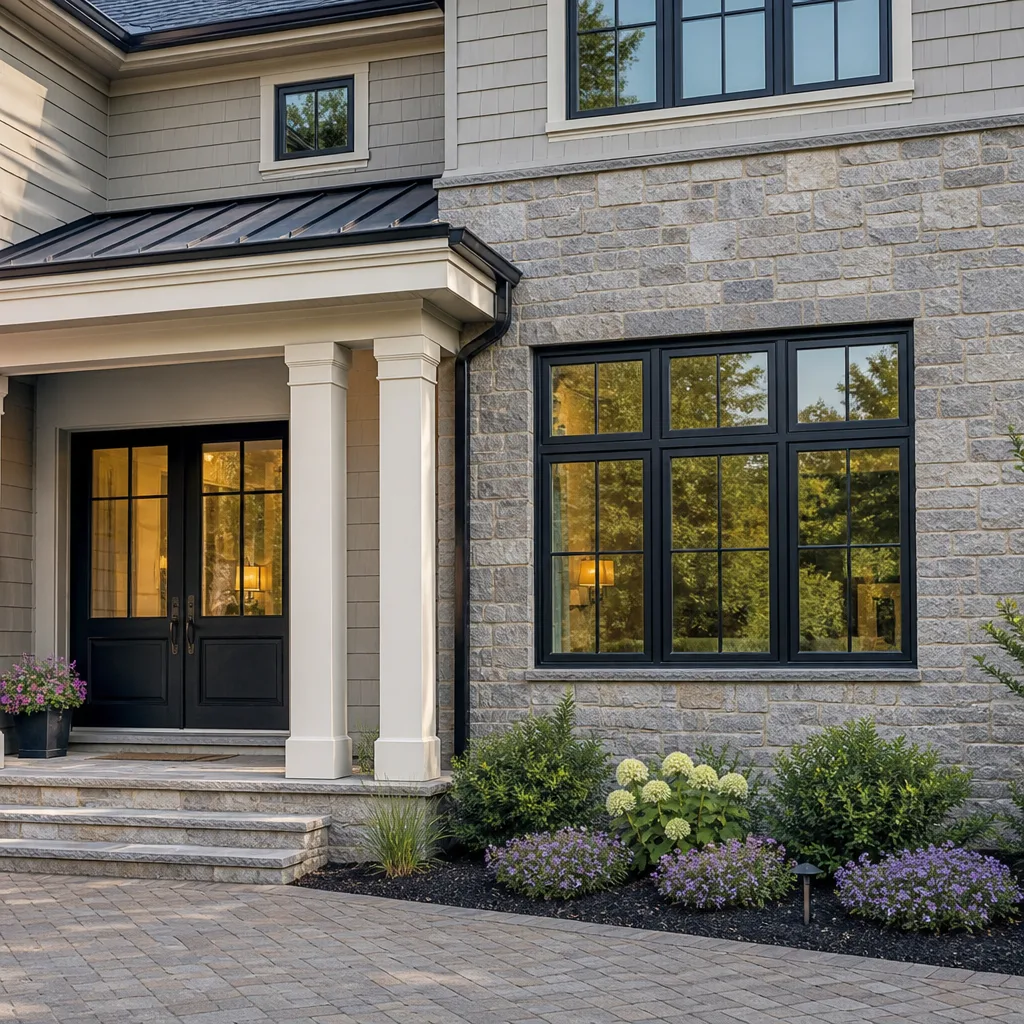 CGI
Free in-home measure and quote - PGT, CGI and CWS impact lines compared on your actual openings, style by style
Get your free estimateThe Complete Guide to Windows & Doors in Mesquite
Mesquite regularly records 110°F+ summers, and the UV index here can bleach a car dashboard in a few weeks of direct sun. Yet most window-buying guides are written for Seattle rain and Minnesota frost, which means Nevada homeowners end up making expensive decisions based on the wrong climate entirely. Glass, frames, and seals behave differently in the Mojave than they do anywhere else in the country. This guide starts with what the desert actually does to a window and works backward from there, covering solar heat gain rules, frame materials, dust infiltration, door thresholds, and the dual-pane versus triple-pane math that changes in Mesquite. If you’ve been burned by a bad install before, this is written for you.
Quick Answer
In Mesquite, window and door performance is governed by solar heat gain and UV exposure far more than by insulation value, so the right product here is one with a low solar heat gain coefficient (SHGC), a frame material that tolerates wide thermal swings, and seals designed for blowing dust. Clark County’s energy code sets its own SHGC requirements that don’t always match national Energy Star defaults, so buying to the national spec can leave you with a window that still overheats a west-facing room. The highest-value upgrades in southern Nevada are solar rejection, frame stability, and door threshold durability, in that order.
Styles & brands we work with
- Single hung
- Double hung
- Horizontal roller
- Casement
- Bay & bow
- Sliding glass doors
- Entry doors
- Impact garage doors
- PGT
- CGI
Table of Contents
- Why Mesquite’s Climate Rewrites the Window Rulebook
- Clark County SHGC Requirements vs. National Energy Star Defaults
- Frame Materials Ranked for Desert Conditions
- High-Wind Ratings vs. Real Dust Infiltration in the Virgin River Corridor
- Door Threshold and Sweep Degradation in Extreme Heat
- Dual-Pane vs. Triple-Pane Math in Mesquite
- What a Desert-Correct Installation Actually Looks Like
- How to Compare Bids Without Getting Burned
- Common Mistakes to Avoid
- When to Call a Professional
- Frequently Asked Questions
Why Mesquite’s Climate Rewrites the Window Rulebook
Most of the country measures a window by how well it keeps heat in. Mesquite needs the opposite conversation. When summer afternoons climb past 110°F and the sun hits a west-facing wall for six or seven hours uninterrupted, the enemy isn’t a draft. It’s radiant heat and ultraviolet light attacking the glass, the seal, and the frame at the same time.
Three forces do most of the damage here, and they compound:
- Peak heat gain. A single-pane west-facing window in July functions less like a view and more like a radiator running in reverse. Interior surface temperatures on cheap glass climb high enough that a room never fully cools no matter what the thermostat says.
- UV load. The desert sun degrades everything it touches. That includes the butyl seal around an insulating glass unit, the gaskets in a door sweep, and the finish on a wood door that faces south.
- Thermal swing. Mesquite can swing from a cold desert night to an uncomfortable afternoon and back within 24 hours. Materials expand and contract daily, and those cycles add up over years the way footsteps wear a stair.
We’ve seen what this does firsthand. In neighborhoods off the Virgin River corridor, we regularly find fogged dual-pane units five to eight years younger than the homeowner expected, because the seal failed faster in the heat than the manufacturer’s lab numbers suggested. The fix isn’t a fancier brochure. It’s choosing products and installation methods built for the Mojave instead of the Pacific Northwest. That’s true whether you’re pursuing window replacement in Mesquite or a first-time window installation in Mesquite.
Clark County SHGC Requirements vs. National Energy Star Defaults
Solar heat gain coefficient (SHGC) is the number that matters most in southern Nevada. It measures how much of the sun’s heat a window lets through, on a scale from 0 to 1. Lower is better in a cooling-dominated climate. Here’s the trap: Energy Star and most national buying guides are built around a national average, and that average leans toward heating climates where you actually want some solar gain.
Clark County participates in the Nevada energy code, which sets its own prescriptive requirements and differs from the national Energy Star default map. A window marketed as “Energy Star certified” may meet the national number yet still be too solar-permissive for a Mesquite west wall. The certification is real; it’s just calibrated for a different house in a different state.
What this means in practice:
- Buy the climate zone, not the national badge. Ask the installer to show the SHGC number for the specific glass package being quoted, and confirm it fits the cooling-dominated requirement, not just the national default.
- Treat orientations differently. A west or southwest window in Mesquite needs the lowest solar gain you can get. A shaded north window doesn’t carry the same penalty, so you don’t have to overpay for solar control where the sun never hits.
- Watch the U-factor trade. A low SHGC sometimes comes bundled with a U-factor tuned for cold climates. You want strong solar rejection with a U-factor appropriate to mild winters, and that combination is available, just not on the cheapest line.
When we quote a job, we put the manufacturer lines side by side on paper so you can see the actual SHGC and U-factor numbers, not a marketing label. A square deal means the numbers are in front of you. If your current windows were bought to national spec and your west rooms still run hot, that gap is the likely reason, and it’s worth a conversation before you spend another summer fighting the thermostat.
Frame Materials Ranked for Desert Conditions
Frames fail differently in the desert than they do in wet climates. Wood rots from rain; in Mesquite, wood dries, checks, and warps from heat and UV instead. Vinyl doesn’t rot at all, but it moves. Here’s how the common frame materials rank for the specific conditions a Mesquite window lives through.
- Fiberglass (best overall for desert). Fiberglass expands and contracts at a rate close to the glass itself, so the frame and the pane move together instead of fighting. It holds finish well under UV and doesn’t warp. It costs more, and for west-facing windows that take the worst of the sun, it’s often worth it.
- Aluminum with a thermal break (strong for large openings). Modern thermally broken aluminum handles heat well and stays dimensionally stable, which matters for big sliding and patio doors. The thermal break is essential; older solid aluminum conducts heat straight through.
- Vinyl (good value, with a real caveat). Vinyl is the most common choice and does a fine job on many elevations. But vinyl expands and contracts more in high heat than many manufacturers disclose in their hot-climate literature. Over years of daily thermal swing, that movement stresses corner welds and the seal between frame and glass. On a shaded elevation it’s a solid choice. On an unshaded west wall in a 115°F July, it works harder than most buyers realize.
- Wood (charming, high maintenance here). A wood door or window can look beautiful and is worth preserving on a historic or custom home, but in Mesquite it needs annual attention to finish and seals. Left unmaintained, the sun wins.
We install across more than a dozen manufacturer lines, including Andersen, Milgard, and ES Windows, and we’ll tell you honestly which frame suits which elevation of your house. There’s no single best material; there’s the right one for a west wall in Mesquite and a different one for a shaded patio opening.
High-Wind Ratings vs. Real Dust Infiltration in the Virgin River Corridor
Southern Nevada has a wind problem that most window ratings don’t fully capture. A window can pass a high-wind design pressure test and still let fine desert dust sift through its weatherstripping and weep holes when the wind comes off the Virgin River corridor carrying grit. The two tests measure different things.
Wind ratings tell you whether a window will stay in its frame and resist structural pressure. Dust infiltration is about the seal quality, the weatherstripping compression, and how carefully the unit was set into the rough opening. A structural pass doesn’t guarantee a dust-tight fit.
What actually keeps desert dust out:
- Compression weatherstripping, correctly loaded. Seals only work when the frame compresses them to the right degree. A window set slightly out of square leaves one side loose, and that’s where dust enters.
- Weep holes oriented and baffled for wind-driven grit. Standard drainage paths can become dust inlets when the wind pushes from the wrong direction. Baffled weep systems on quality lines handle this better.
- Proper shimming and foam at the rough opening. The gap between frame and wall is where most infiltration starts. Done right, it’s sealed and insulated; done fast, it’s a dust channel.
This is one of the reasons we measure every opening twice. A window that’s a quarter-inch out of true won’t seal the way the manufacturer intended, and in a dusty Mesquite wind that small gap shows up on the windowsill within a season. If your current windows leave grit on the sill after a windy week, the frame fit is worth inspecting.
Door Threshold and Sweep Degradation in Extreme Heat
Here’s a failure point that buyer’s guides almost never mention, and it’s one of the most common call-backs we see in the Southwest: the door threshold and sweep. The sweep is the flexible strip along the bottom of an exterior door that seals out dust, heat, and pests. In mild climates it lasts years. In Mesquite’s heat, the rubber or vinyl sweep can harden, crack, and lose its seal far sooner, and the threshold beneath it can warp or sink.
Why extreme heat accelerates it:
- The sweep sits at the hottest spot on the door. Low to the ground, facing full sun on a south or west door, the sweep bakes day after day until the material stiffens and stops flexing to meet the threshold.
- Thermal movement at the door slab. A door that binds in July is usually fine in January. That daily and seasonal movement works the sweep and the threshold seal loose.
- Dust accelerates wear. Grit that works into the sweep edge under a door acts like sandpaper every time the door opens.
When a threshold or sweep fails, you’ll notice it as dust along the door’s base, heat creeping in around your feet, or a door that drags in summer and clears in winter. The fix is usually a threshold adjustment or sweep replacement, not a whole door. On a quality exterior door, a properly specified door installation in Mesquite is the moment to get the threshold and weatherstripping right, because that’s where most heat and dust enter. Therma-Tru and similar lines offer adjustable thresholds built to take this kind of use, and specifying one at install saves a callback later.
Dual-Pane vs. Triple-Pane Math in Mesquite
The triple-pane sales pitch in Minnesota is about keeping heat in. In Mesquite, that argument is weaker than many homeowners expect, because winter here is mild. The stronger argument for the extra pane in the desert isn’t insulation. It’s solar rejection, sound reduction, and seal longevity, and the math differs.
Consider how the two compare on a west-facing Mesquite window:
- Insulation value. A well-built dual-pane unit with a good low-E coating and argon fill performs close to triple-pane on the U-factor side. In a heating-dominated climate that gap matters; in Mesquite’s mild winters it matters less.
- Solar rejection. This is where the real difference lives. Triple-pane can carry better solar control glass packages, and a west wall that bakes from 2 to 7 p.m. benefits from aggressive SHGC more than from extra insulating value.
- Sound. Triple-pane quiets a home noticeably, which matters if you’re near a busy road or the freeway.
- Weight and frame load. Triple-pane is heavier. On a large slider or a big picture window, the frame and the hardware have to carry more, which ties back to the frame-material conversation above.
Our plain take: on a west or southwest elevation in Mesquite, a high-performance dual-pane with strong solar-control glass and a thermally stable frame gets you most of the benefit for less money. On a picture window facing the afternoon sun that you sit next to every evening, or a wall near a loud road, triple-pane earns its keep. We’ll show you the numbers for both and let the orientation of your own house decide, rather than a national guideline.
What a Desert-Correct Installation Actually Looks Like
The best window in the catalog underperforms if it’s installed like it’s going into a house in Seattle. Desert-correct installation is a set of specific steps, and they’re the difference between a window that lasts and one that fails its seal in five years. Here’s the sequence a careful install follows.
- Measure every opening twice. Both the width and the height, at multiple points, because desert homes settle and square is not guaranteed. A quarter-inch error becomes a draft or a dust gap.
- Inspect the rough opening. Old rot, water damage, or out-of-square framing is corrected before the new unit goes in, not covered over.
- Set the window in true. Shimming and leveling so the frame sits square, because that’s what lets the weatherstripping compress evenly and seals out dust.
- Seal and insulate the perimeter. Low-expansion foam and flashing done so the gap becomes airtight, with drainage managed so wind-driven grit has no path inward.
- Check and adjust door thresholds. On a door, the threshold and sweep are set to seal now and stay adjustable as the season changes.
- Register the warranty in writing. Both manufacturer warranty layers documented with durations stated, before anyone leaves.
The last step is the one homeowners remember. A window with a voided or unregistered warranty is a window with no backup, and the seal failure that arrives in year six becomes your bill instead of the manufacturer’s. The Keystone Standard is our answer to that: both warranty layers registered in writing, durations stated, on every job, before the truck leaves the driveway. That’s part of how we stand behind the work. To see how we handle door installation the same way, that’s where the threshold and weatherstripping get their attention.
How to Compare Bids Without Getting Burned
The lowest bid in the room is rarely the last call you’ll make. What separates a bid you can trust from one you’ll regret usually isn’t the price on the page. It’s what the page leaves out. Here’s how to read a window or door quote in Mesquite.
- Demand side-by-side manufacturer lines on paper. You should see the actual product, the actual SHGC and U-factor, and the price for each line, not a single bundled number. When you can compare, you buy the right thing.
- Ask what happens if the seal fails in year six. The answer should be a documented, registered manufacturer warranty, stated in writing with durations. If the answer is vague, that’s your answer.
- Ask who pulls the permit and who passes the inspection. In Clark County, code compliance matters, and it should be handled cleanly, not left to you.
- Ask what’s guaranteed and for how long. Workmanship guarantees should be in writing and specific. Ours is the 90-Day Done Right Promise: if it’s not done right, we make it right, with no paperwork fights.
- Get the whole job in writing. No-hassle upfront pricing means the number you sign is the number on the final bill, no surprise line items.
We’re an authorized installer for more than a dozen lines, including Andersen, Pella, Marvin, Milgard, PGT, CGI, and ES Windows, which means we can show you real options instead of steering you to whatever a single supplier pushes. If you’re comparing quotes, start with our TruePane Windows & Doors Mesquite home page or reach out and we’ll walk through the numbers with you.
Common Mistakes to Avoid
- Buying to the national Energy Star number. It’s built for a national average and can leave a west-facing Mesquite room running hot. Check the actual SHGC against the cooling-dominated requirement, not the badge.
- Assuming vinyl behaves the same in heat as in cool climates. Vinyl expands and contracts more than many hot-climate brochures disclose, and over years that movement stresses corner seals. On an unshaded west wall, consider fiberglass or thermally broken aluminum.
- Judging a window by its structural wind rating alone. A high design-pressure pass says nothing about dust infiltration. In the Virgin River corridor, seal quality and a square fit are what keep grit off the sill.
- Ignoring the door threshold and sweep. It’s the most heat- and dust-exposed point on an exterior door and one of the most common call-backs in the Southwest. Replace or adjust it at the first sign of hardening or binding.
- Chasing triple-pane for the insulation story. In Mesquite’s mild winters, a high-performance dual-pane often makes more sense on a shaded elevation, and the triple-pane money is better spent on solar-control glass facing west.
- Skipping the warranty registration. An unregistered warranty is no warranty. Both manufacturer layers should be documented in writing before the crew leaves, with durations stated.
- Hiring the cheapest bid and getting an out-of-true install. A window set a quarter-inch out of square leaks dust and fails its seal early. Punctual, prepared, and careful beats cheap every time in this climate.
When to Call a Professional
Some fixes are simple adjustments. Others need a trained hand, and guessing at them costs more than a call. Call a professional when you see fog or condensation between the panes of a dual-pane unit, which means the seal has failed and the glass can’t be repaired from the inside. Call when a window won’t close flush, latches loosely, or leaves grit on the sill after a windy week, because those point to a frame or seal problem that needs real diagnosis. Call when an exterior door binds in July or lets heat in around the threshold, since the fix is usually a threshold and sweep adjustment best done right the first time. And call when you’re planning a replacement you intend to live with for twenty years, because the product and installation decisions matter more in this climate than in most.
TruePane Windows & Doors Mesquite offers free estimates in Mesquite, with upfront pricing and a live person answering the phone every day, day or night. Call (833) 620-7092 to schedule yours.
Frequently Asked Questions
You want the lowest solar heat gain coefficient practical for cooling-dominated southern Nevada, especially on west and southwest elevations, because the local requirement differs from national Energy Star defaults. Ask to see the actual SHGC number for the glass package, not just the label, and confirm it fits the climate here rather than the national average. Call us at (833) 620-7092 and we’ll go through the numbers for your elevations.
For most shaded elevations in Mesquite, a high-performance dual-pane with strong solar-control glass makes more sense than triple-pane, since the winter is mild and the insulation argument is weaker than the solar-rejection argument. Triple-pane earns its keep on a large west-facing picture window you sit near, or near a loud road where sound reduction matters. We’ll quote both and let your orientation decide.
Fog between the panes means the seal on the insulating glass unit has failed and moisture has entered, which can’t be fixed from inside the house. Desert heat and UV accelerate this, so it happens sooner here than the manufacturer’s general numbers suggest. Call (833) 620-7092 for a free estimate on whether the glass unit or the whole window needs replacement.
More often than in mild climates, because the sweep sits at the sun-baked base of the door and hardens faster under continuous heat. Watch for dust along the door base, heat at your feet, or a door that drags in summer. That’s usually a threshold or sweep adjustment rather than a whole door, and it’s worth getting ahead of.
Yes. Code compliance in Clark County is handled cleanly as part of the job, and inspections are passed before we call the work done. Our 90-Day Done Right Promise backs the workmanship, and both manufacturer warranty layers are registered in writing with durations stated before the truck leaves.
No. We quote no-hassle upfront pricing, so the number you approve is the number on the final bill, with no surprise line items and no second appointment left hanging. Most jobs are completed in a single visit where the scope allows. Call (833) 620-7092 for a free estimate.
The Bottom Line
Windows and doors in Mesquite succeed or fail on solar heat gain, frame stability, and seal quality, not on insulation value written for a colder map. Buy the climate zone rather than the national badge, choose your frame material by elevation, take dust infiltration as seriously as wind rating, and don’t forget the door threshold that the buyer’s guides never mention. Dual-pane with the right glass often beats triple-pane on a shaded wall here, and triple-pane pays off facing west. Get the numbers side by side, register both warranty layers in writing, and work with people who’ll be honest about what your house actually needs. That’s the whole game in southern Nevada.
Ready for a straight answer on your windows and doors? Call TruePane Windows & Doors Mesquite at (833) 620-7092 for a free estimate. A live person answers every call, we quote manufacturer lines side by side on paper, and both warranty layers go in writing before the truck leaves the driveway. If the pane is not true, the job is not done.
Written by the team at TruePane Windows & Doors Mesquite.
See the difference
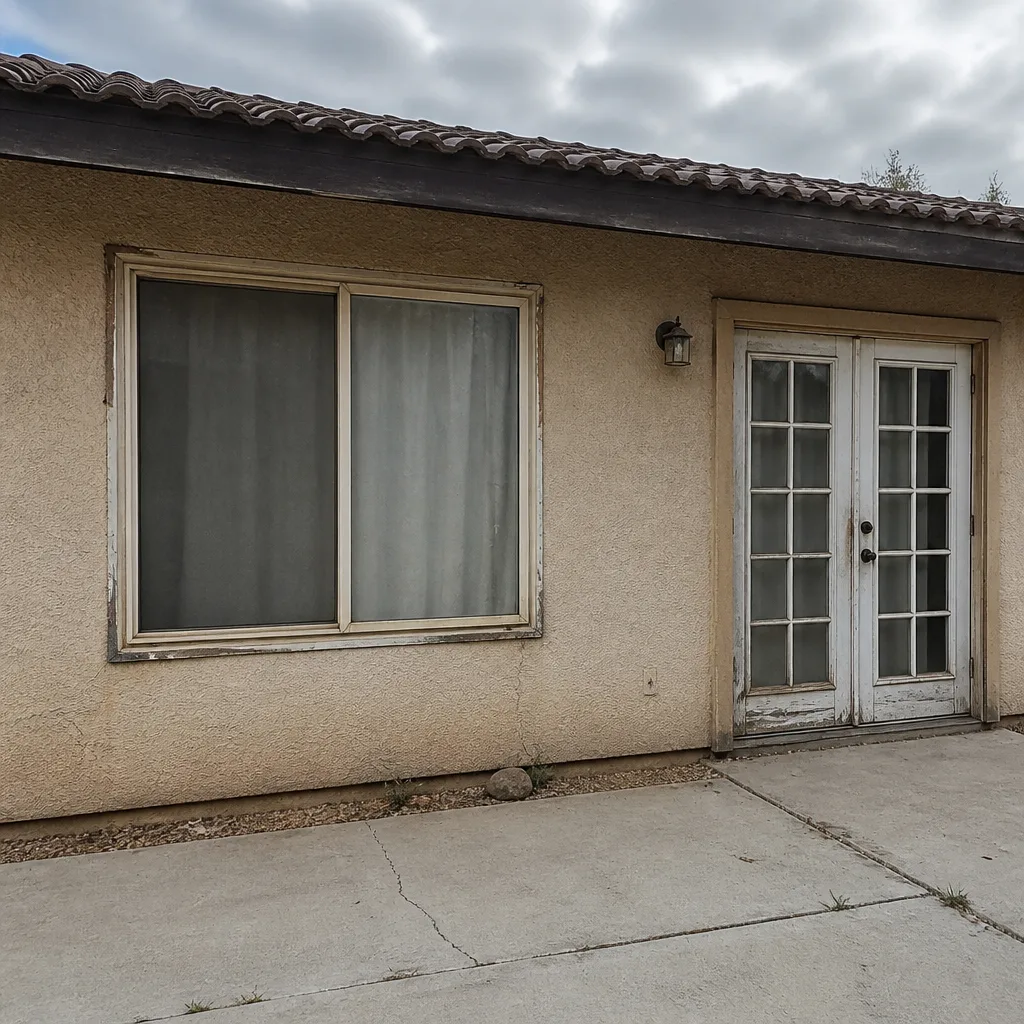 Before
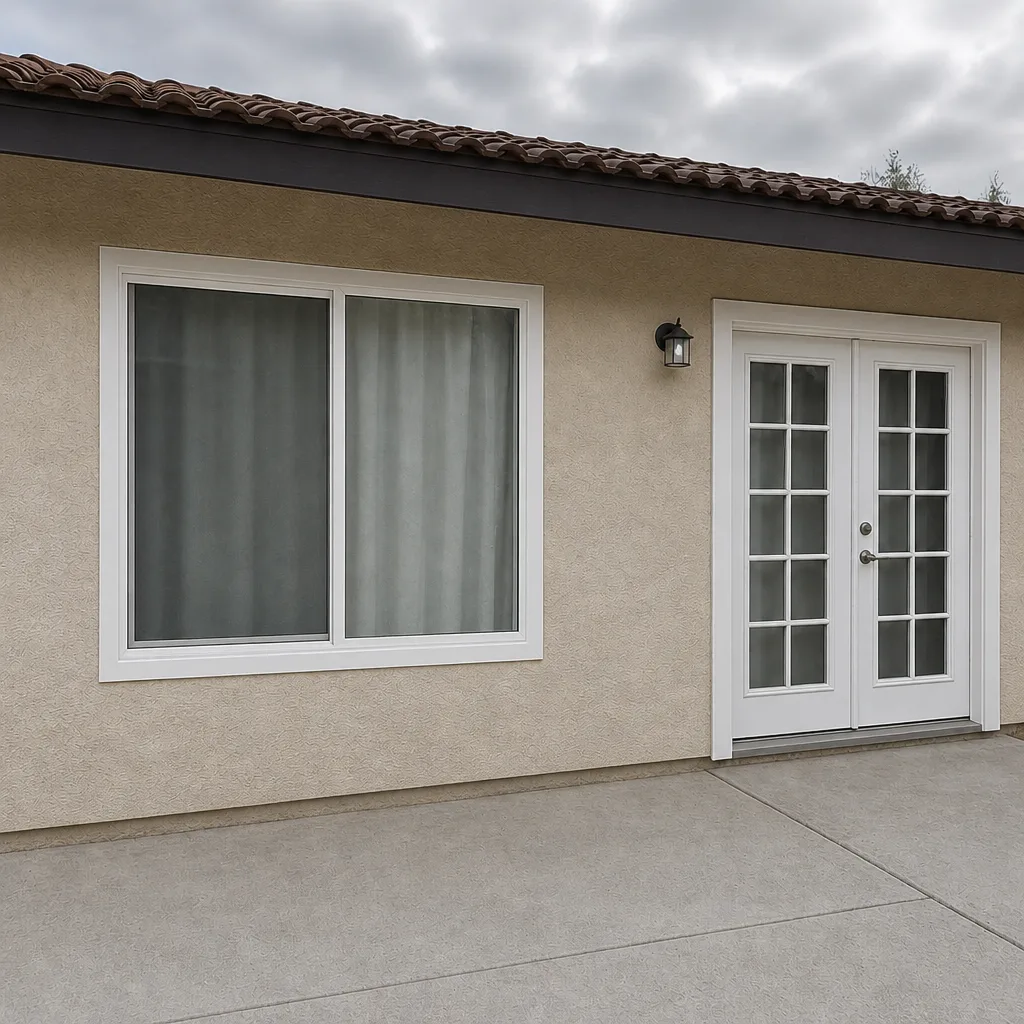 After
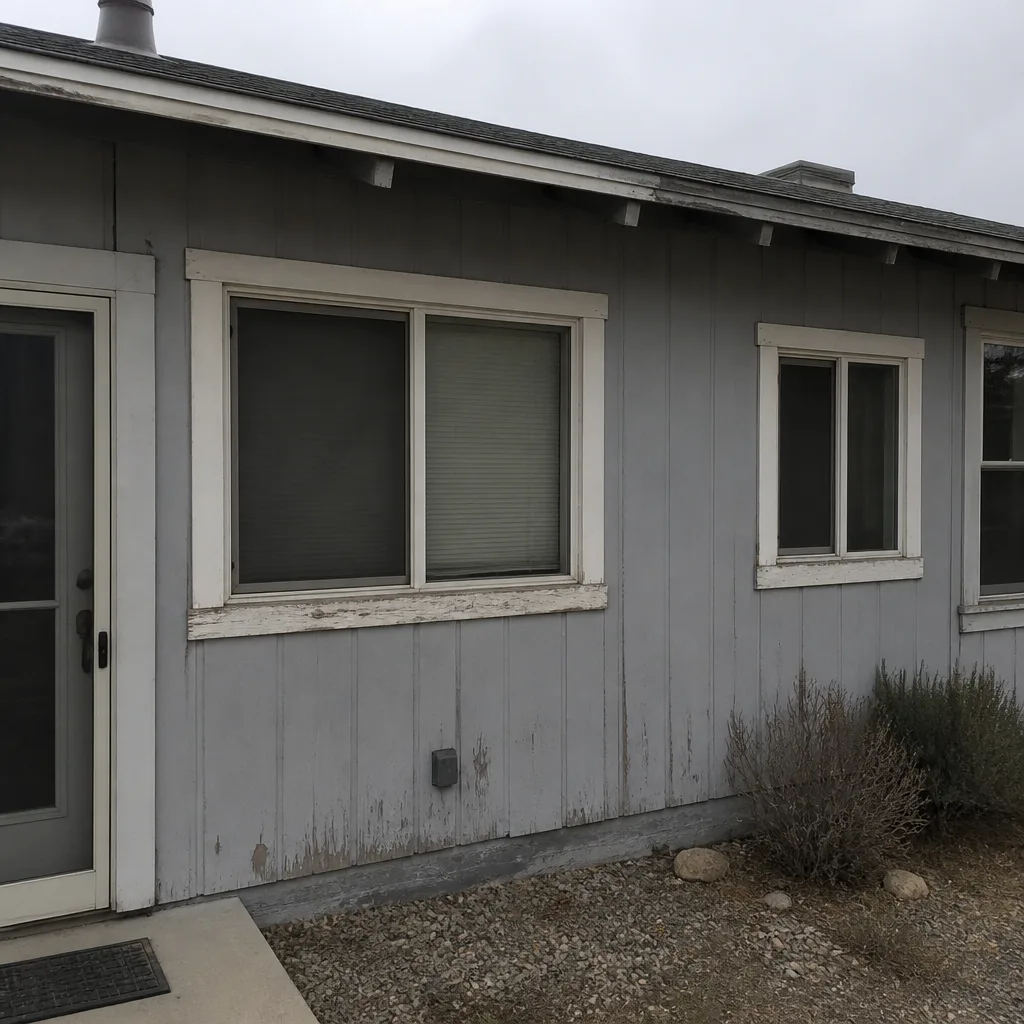 Before
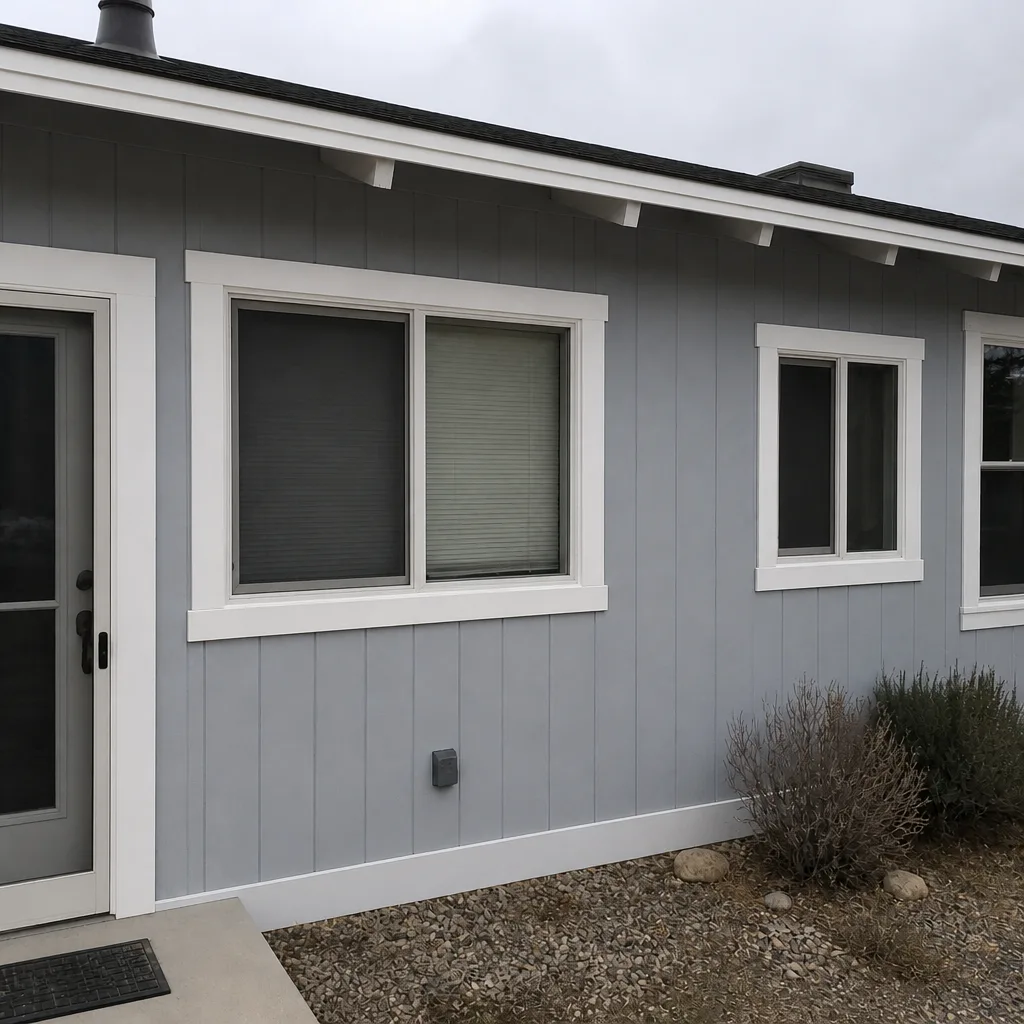 After
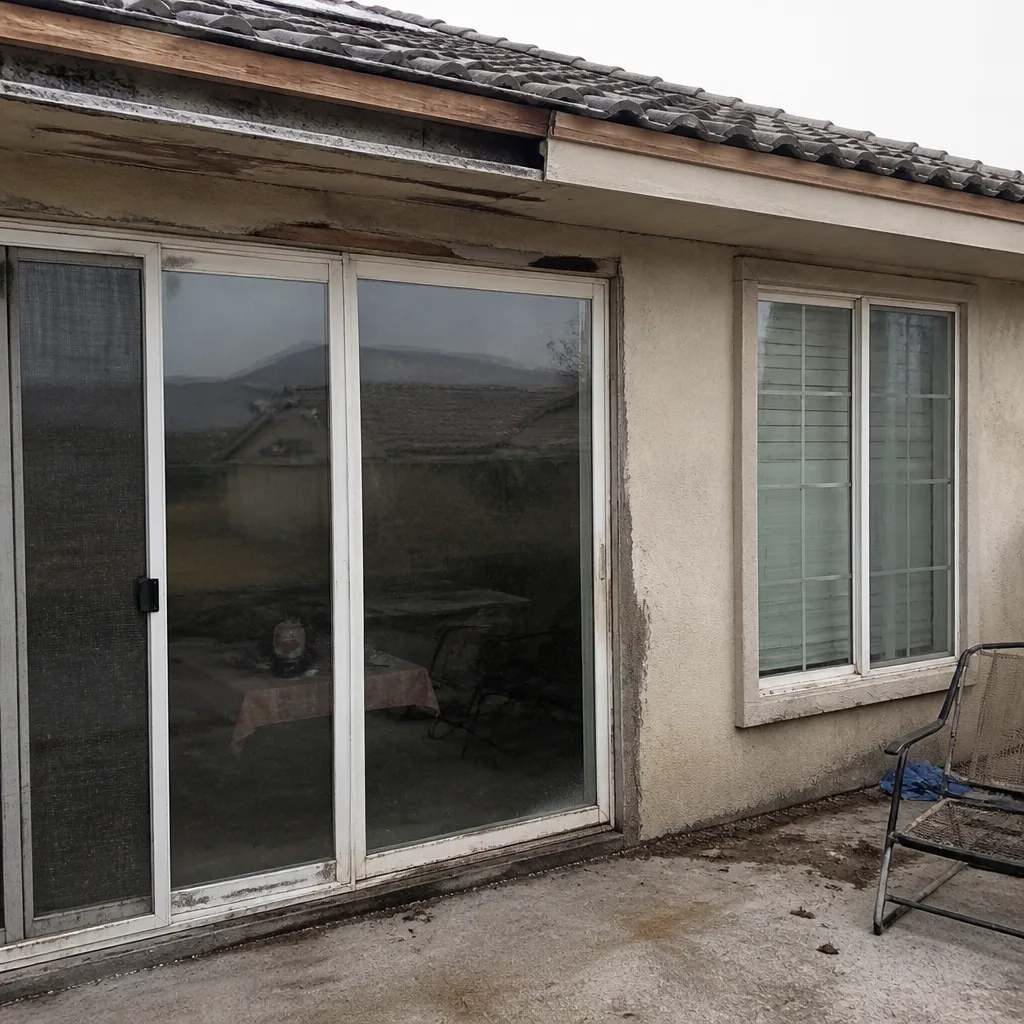 Before
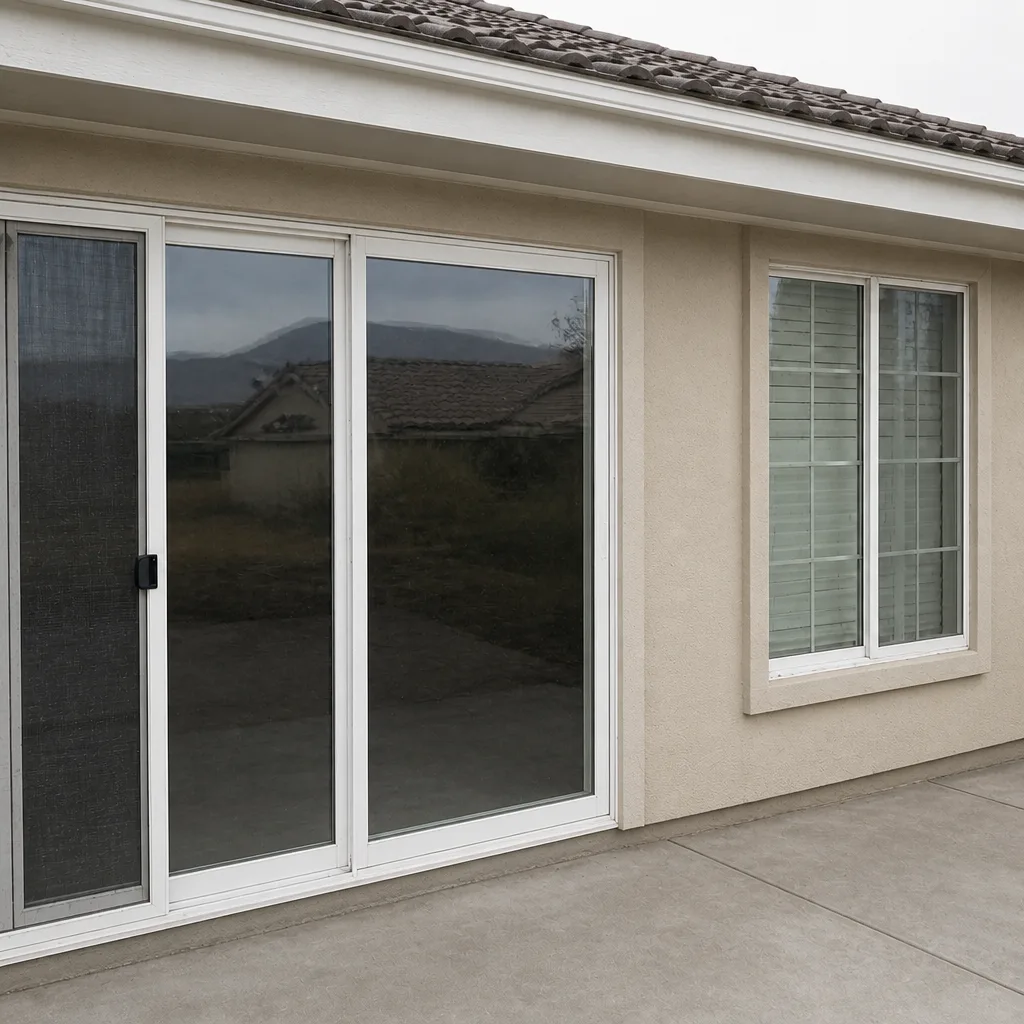 After